When we eat locally produced food we are participating in an act of unification, rather than separation.
Eating locally, by default, means eating seasonally. This unifies us into the organism of the earth itself and brings forth an active participation in the evolution of the planet. It also implicitly presents an understanding that the nourishment that nature provides is correct for the environment we find ourselves in at any particular time.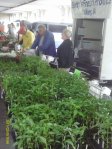
Eating locally improves nutrition first by providing fresher food with a longer shelf life. It moves us closer to the solar source of all energy on earth. The vitamin c in an orange has depleted by 50% in 24 hours. Who knows what’s in it after three weeks in a warehouse and time on the shelf before purchase. The quality of the foods produced at certain seasons are ideal for a body within a certain environment at a certain time. Here in Iowa we may appreciate to cooling qualities of tropical fruit, but their dampening qualities are not so favorable in our humid summers. However there’s a whole season’s worth of berries available here from late spring through summer and into autumn.
Eating locally also allows us to participate most effectively in our economic system, retaining dollars and taxes for local redistribution and preventing a drain of currency away from a locale to a distant place. All these transactions allow us to be integrated into our economy in a very real way.
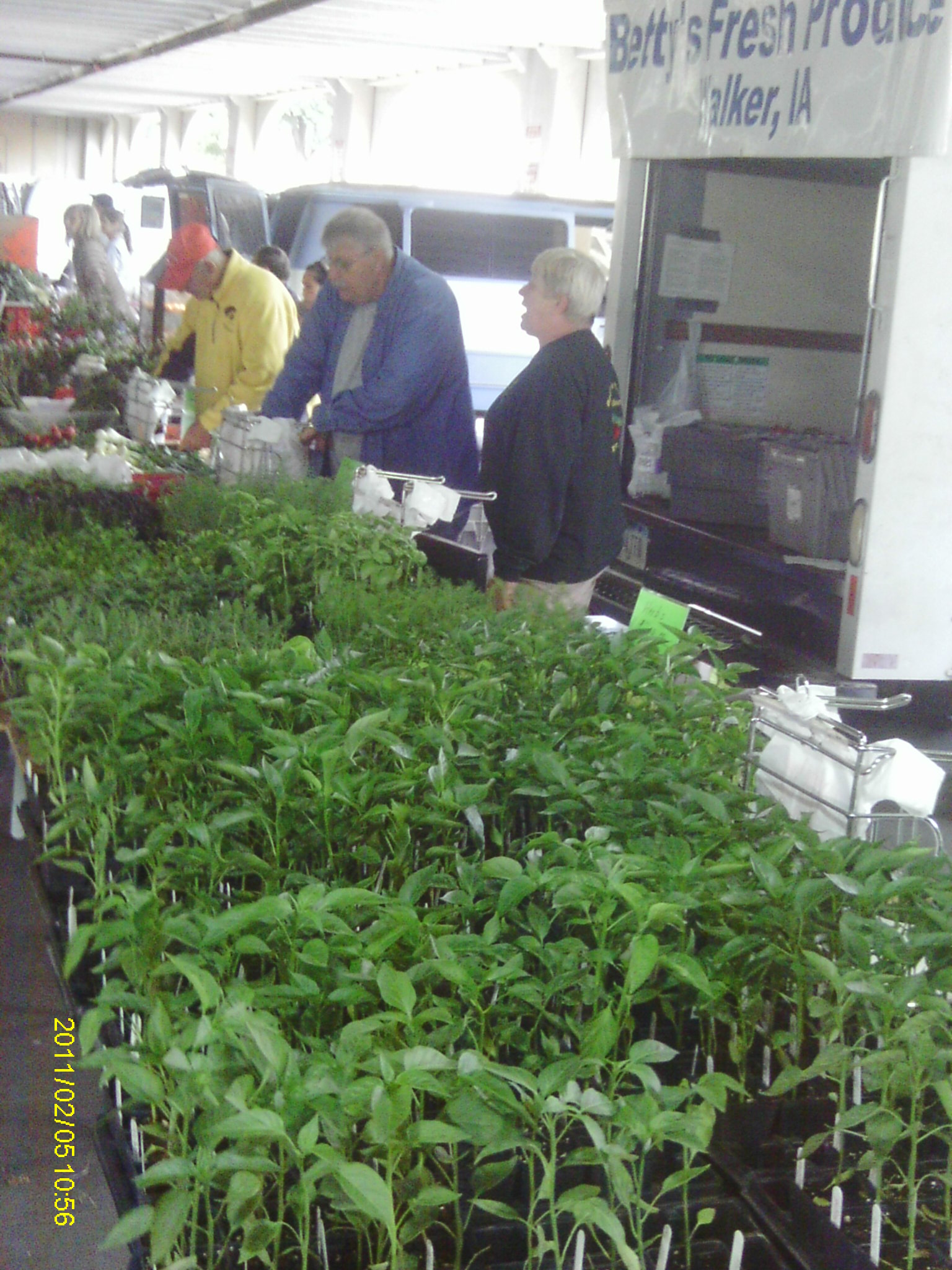
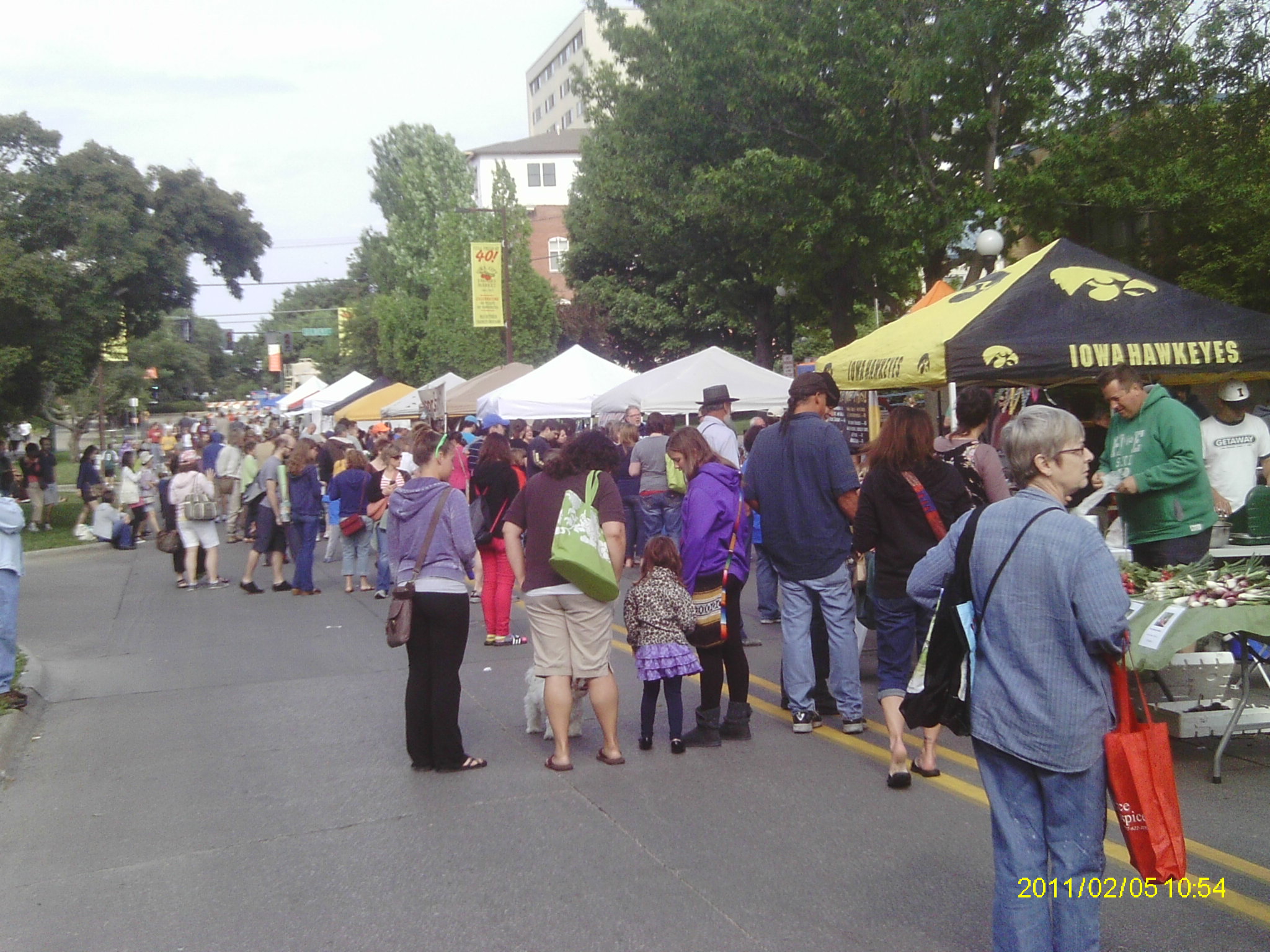
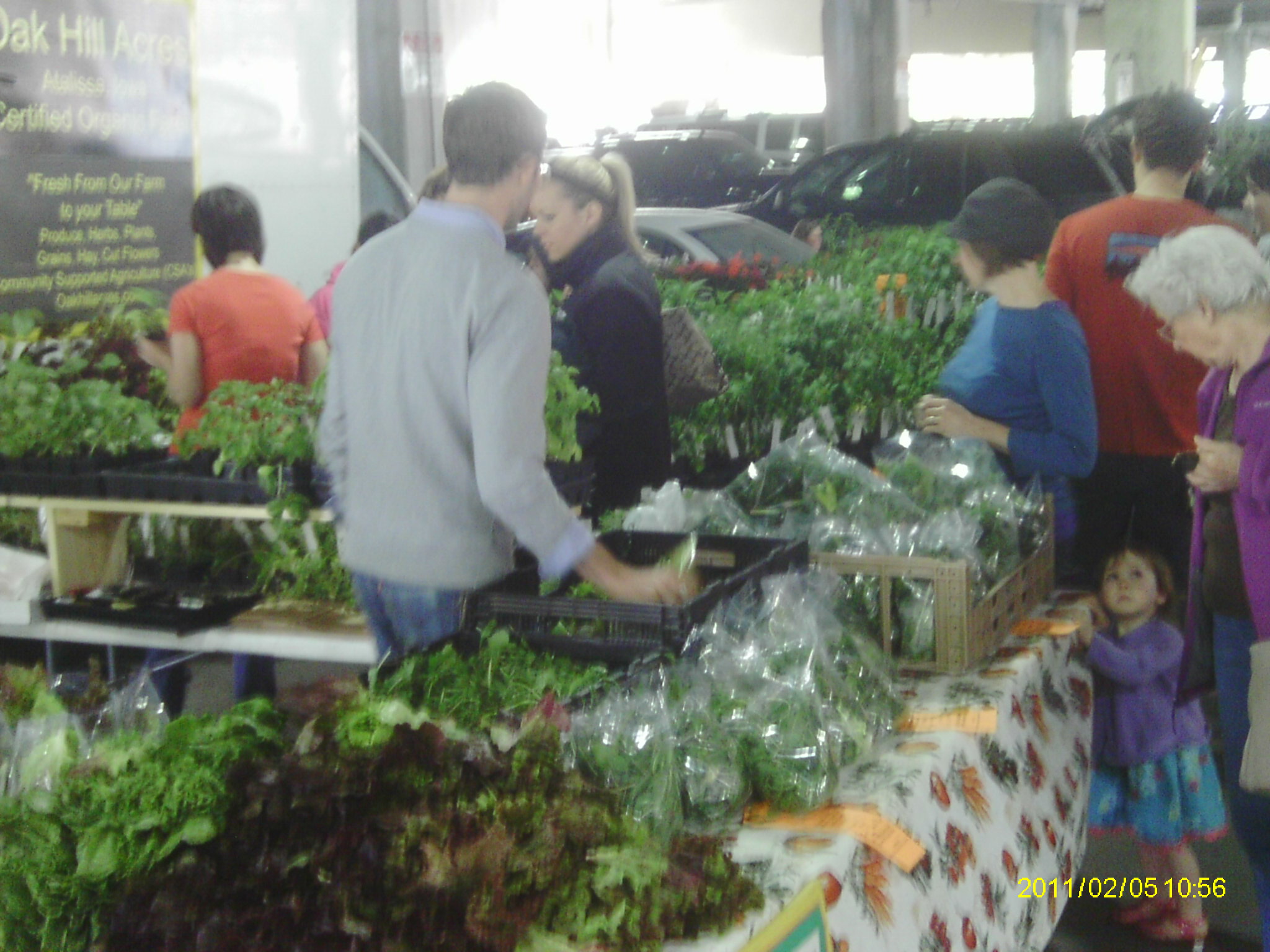
Eating locally almost a lways involves a person in a social way, whether it’s via the local Farmer’s Market, the connection to the farmer through a CSA or through work in a community or school garden project. It helps unify our individual body into the body of society.
Local eating helps maintain a cultural identity while allowing an evolution of that identity as 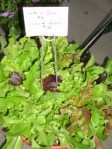 new species of foods are experimented with, or as new immigrants bring foods and cooking techniques into an area. The predictability of the foods at certain times of year and in certain areas allow local classic dishes to be defined. So now we can sear our tatsoi, bok choi, arugula with our spinach in GMO free asoya soy oil with a little garlic, and it’ll only be the lemon juice that’s come from a far.

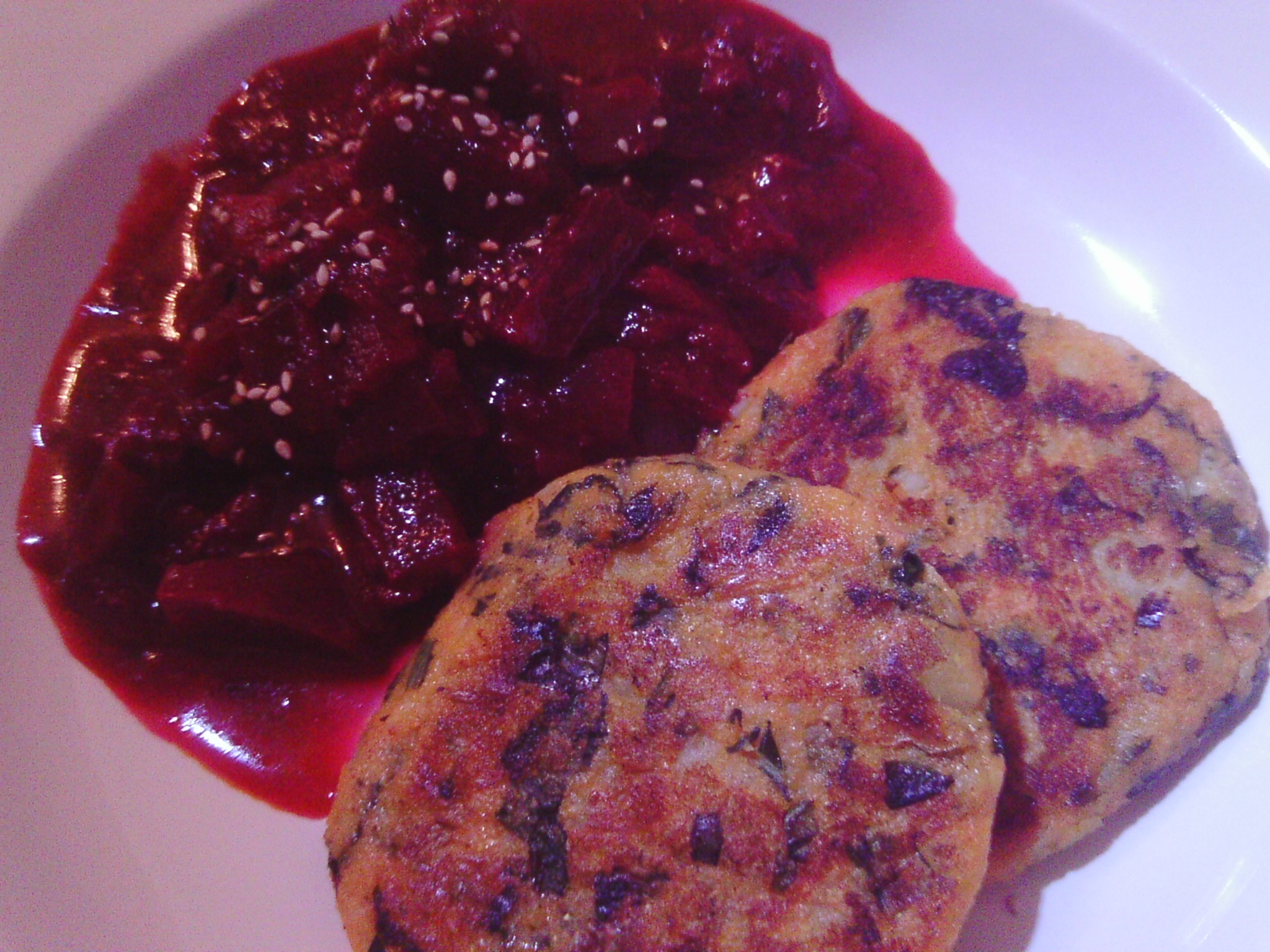
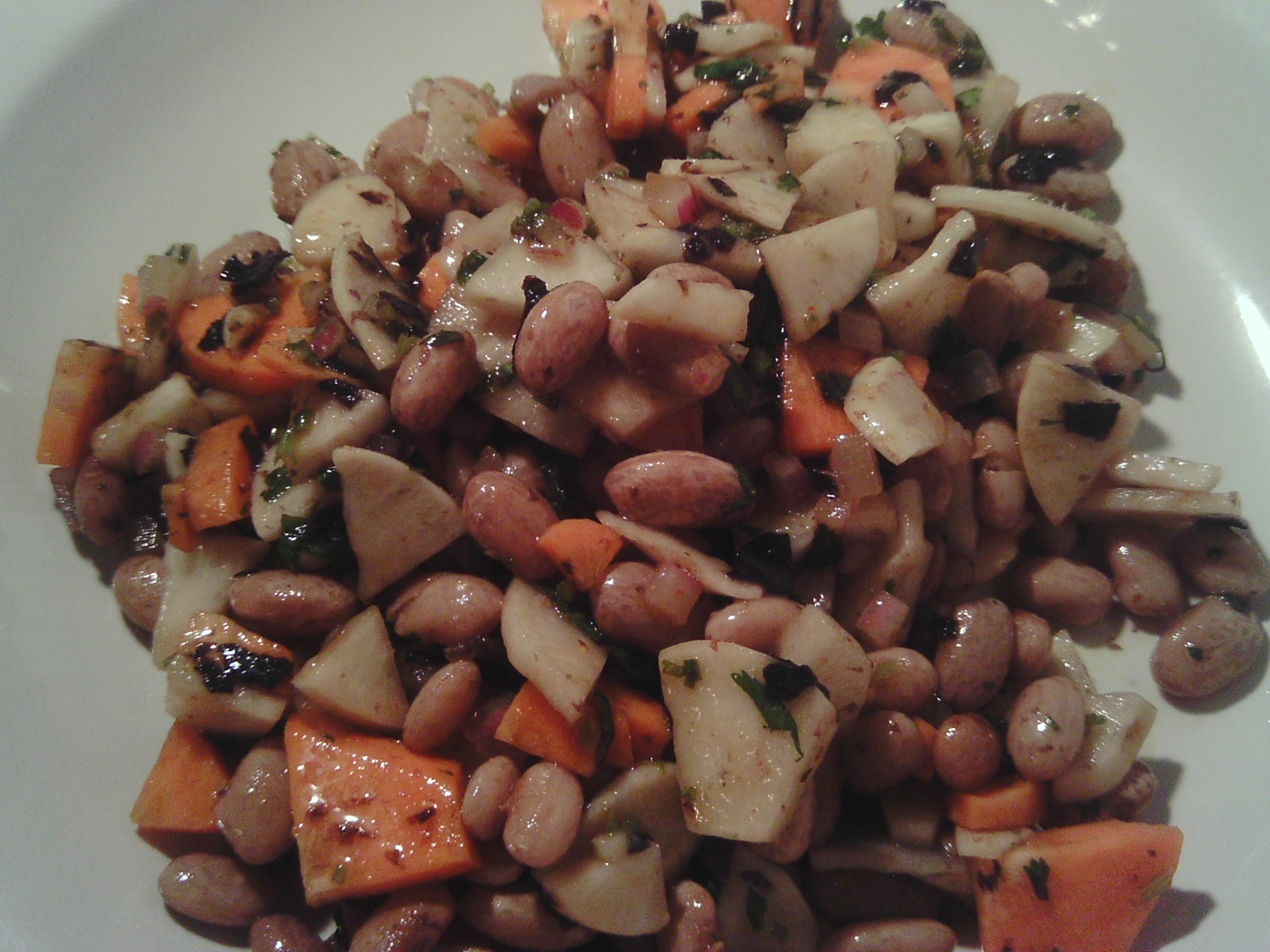 *Pinto bean daikon and turnip salad with sweet potato, potato, spinach and turnip green pancake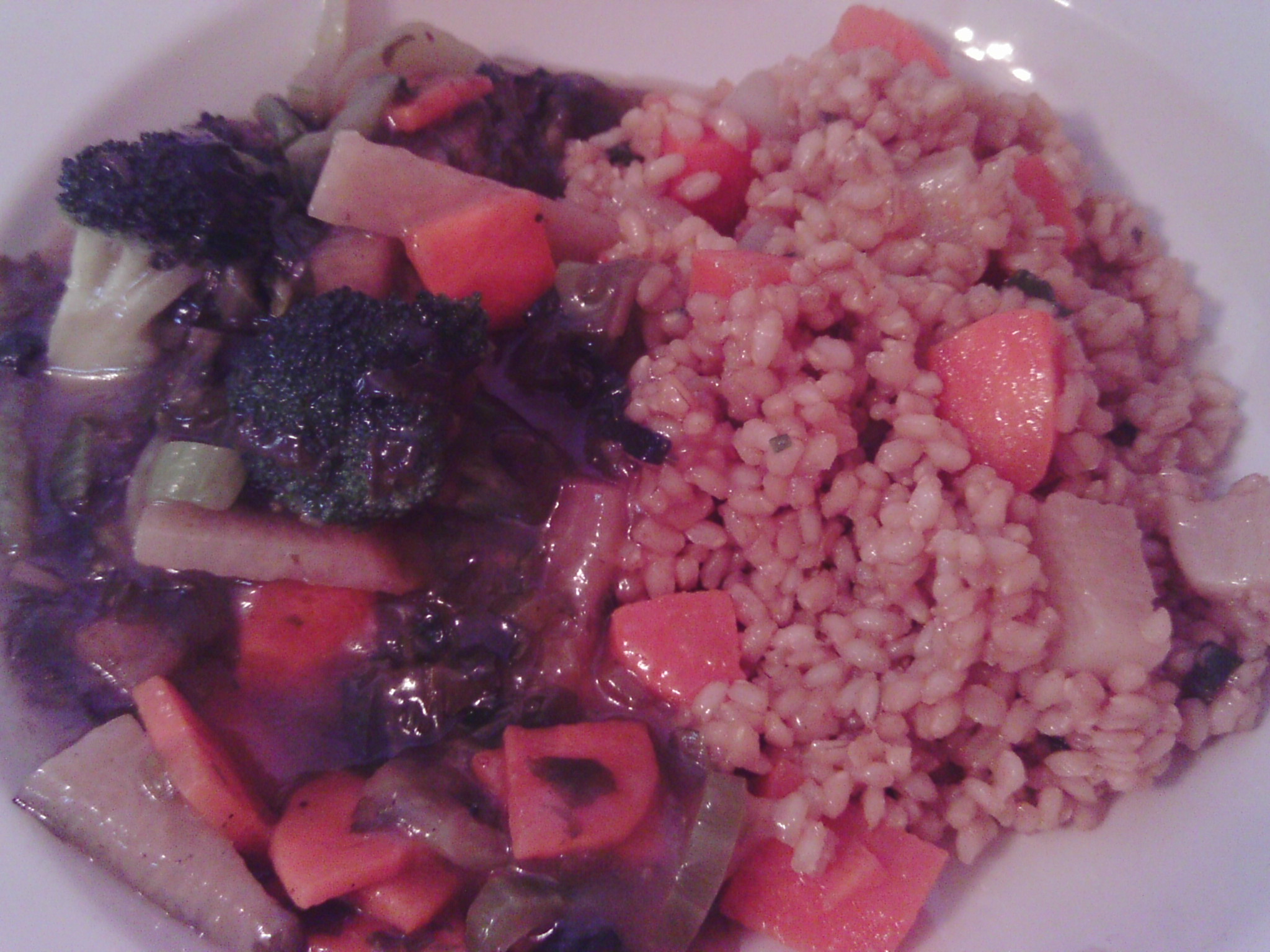
 Four Square Meals