
Home Fries – How to use your leftover potatoes 1

Home Fries

4 or 5 boiled potatoes
1/4 cup sunflower oil

A great way to use leftover boiled potatoes. In fact even if home fries were your plan you’d want to boil them up the night before because the key to perfect home fries is that the potatoes are cold when you fry them up. I always like to have some cold already boiled potatoes in the fridge just in case we’re hankering for a breakfast hash up. The point of this is that when the home fries are fried, the already cooked potatoes are cold. This is the key to perfect home fries.

To boil the potatoes
Scrub the potatoes and add enough water to cover the potatoes by an inch or two. Cover and heat on high until boiling, add a generous sprinkle of salt – probably a tablespoon for 4 or 5 potatoes, then bring it down until the water is simmering well. Unless the potatoes are small, check them 15-20 minutes after they start to boil. Pierce one with a small sharp knife. When it slides through like butter, they are done. Drain them and let them cool down, then put them in the fridge overnight. Do not use a fork to test them and try to avoid piercing them more than is necessary.

Transformation to home fries
If you have a non-stick pan, it may be best to use it. In this case add oil to the pan and heat to medium before adding potatoes to the pan. If you are using a stainless steel or aluminum pan, heat the pan to medium high before adding the oil. Either way add the potatoes to oil that is already hot. This is the other key to perfect home fries. The cold potatoes are placed into hot oil.

Add the potatoes to the pan, then let them cook a little before turning them with a metal spatula to mix. If you are using a stainless steel or aluminum pan, you may want to turn the heat down to medium, to avoiding over-browining (sometimes called burning). After turning, let them cook a little before disturbing them again. Leaving them alone after turning helps them develop that golden crispy edge that we all love, as well as avoiding them sticking to the pan. Depending how hot your oil is they may take anything from 5-15 minutes to become golden. Aim for 10.
Turn Here Sweet Corn

Here is a short clip of Atina Diffley talking about her new book Turn Here Sweet Corn. Atina is an organic farmer and consultant and her book is both a memoir and an intimate study of our human relationship with the earth. Look for a review here later in the summer.

Atina will be in Iowa City as part of the Field to Family Festival. She will read at Prairie Lights on Friday September 21, sign copies of her book at the Farmer’s Market on Saturday September 22 and present a keynote speech at the Harvest Dinner on Sunday September 23.

The Culinary Socializer – Lemon

If you’ve ever made a meal and it wasn’t quite there, just didn’t have the pzazz or the flavors that make you sing. Perhaps it’s a soup that sat in the fridge for 3 days, or a rice pilaf that’s flavors have sunk.

Try adding a little lemon juice. Just a little, too. Not enough to give the dish a lemon flavor, either. Just enough for it to enhance the other flavors that are already there. If a dish is a party, think of lemon as a great conversationalist. Someone who draws the other party-goers into talking, not someone who takes over the conversation and doesn’t let anyone else speak.

I have used lemon juice in this way for years in the restaurant business, often finding that it’s the time that I use the LEAST amount of lemon juice that produces those great comments that we chefs love (even if we say we don’t!). I’m talking 1/16 of a teaspoon per order here. So 1/4 of a teaspoon for a four person soup, or pilaf. Try it, you’ll be pleasantly surprised.

Meal Plan July 2 2012

Weekly meal plans focus on vegetables as the center of the vegetarian diet.

This slideshow requires JavaScript.

This week experimented with scalloped potatoes using coconut milk and flax seed as the creamy binder. Dash of white wine vinegar worked wonders to set of the sweet cremy oniony sauce. The etestament to these is that my family ate them all down the day before I had a chance to photograph them!

The Thai soup is in the style of Tom Kha, using tofu instead of chicken and generous quantities of ginger and fresh squeezed lime along with fresh basil. Paired with the earthy barley and deep sweet of the raisins, a very satisfying combination.

I’m a great fan of the cousa squash, which seems to have a little less bitterness than zucchini, although the shelf life is shorter. The season is now.

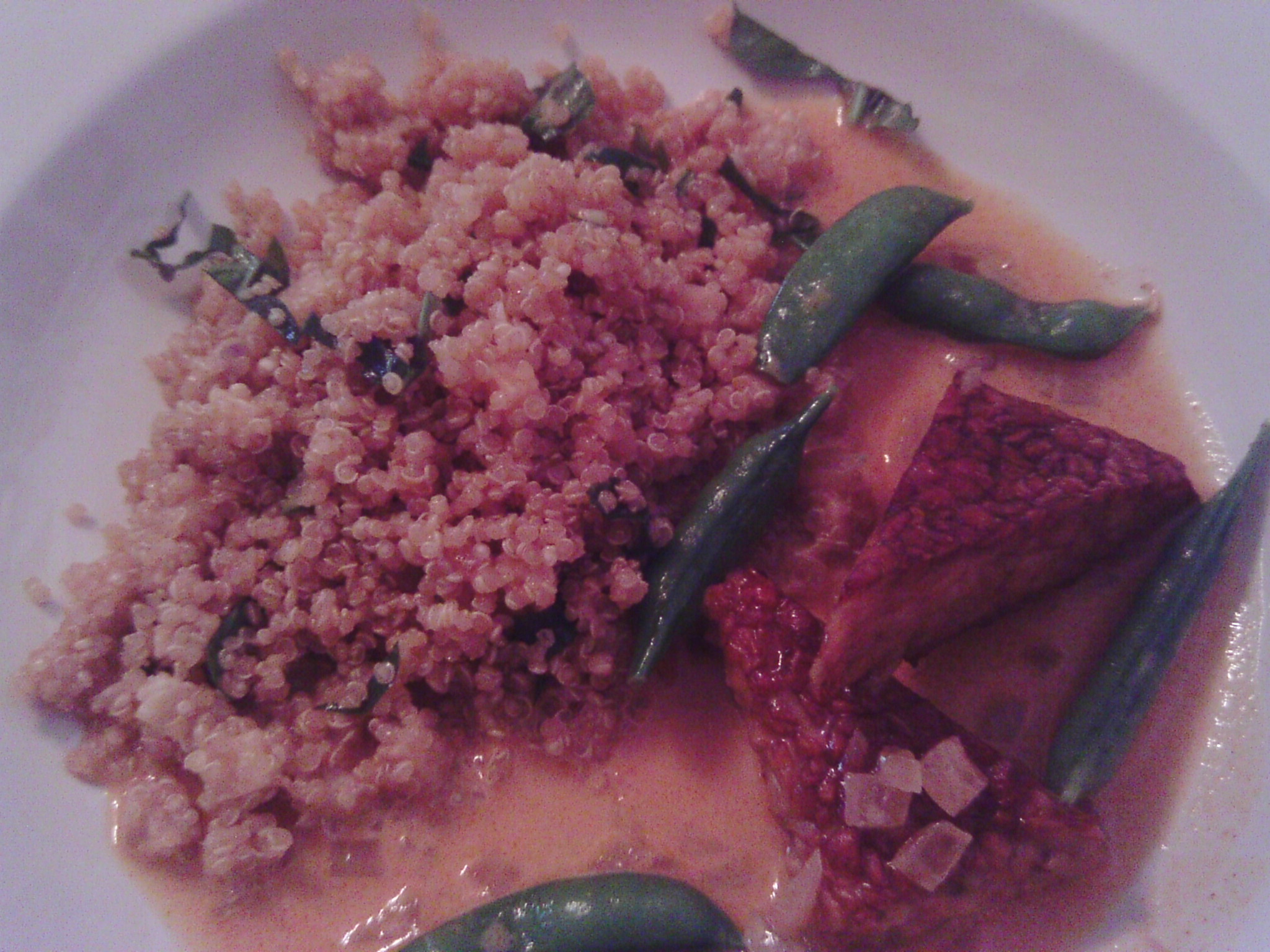
  • Cousa squash, snap peas and beet greens in spiced curry sauce with kohlrabi-cucumber and mung bean salad
  • Glazed tempeh and broccoli in roasted garlic and tomatoes; scalloped potatoes and kale
  • Thai soup with chinese cabbage, bok choi and tofu; barley, zucchini and raisin pilaf
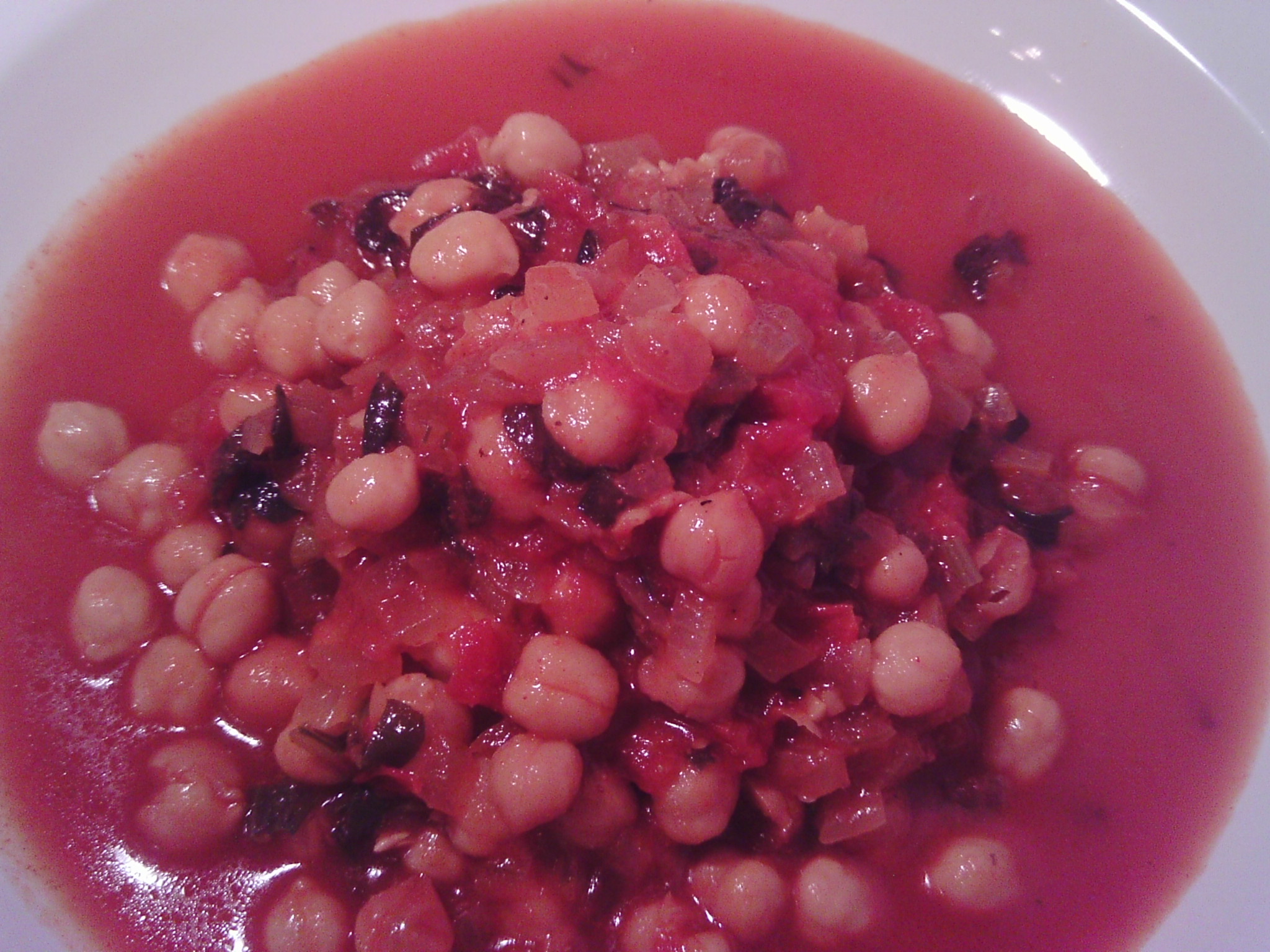
  • Coconut chole with green beans; brown rice with caramelized onion and napa cabbage

Kale from Echollective Farm, Mechanicsville IA
Bok choi and kohlrabi from Salt Fork Farm, Solon IA
Potatoes, green beans and snap peas from Oak Hill Acres, Atalissa IA
Beet greens and Chinese cabbage from Grinnel Heritage Farm, Grinnel IA
Cousa squash, zucchini and broccoli from J.T.’s, can’t remember where! IA

Meal Plan June 25 2012

This slideshow requires JavaScript.

Again managed to incorporate as meany greens as possible this week. Beet greens, Chinese cabbage, collards, kale, bok choi, dill, mint all incorporated this week.

  • Tofu and snap peas in caramelized leek sauce with spiced rice and beet greens
  • Curried black-eyed peas and kale with barley-collard green pilaf
  • Tempeh with spiced beets and dilled chinese cabbage, spinach and beet green slaw
  • Mixed vegetables in miso sauce with potato and kohlrabi in tomato-mint sauce

Featuring vegetables from Echollective, Salt Fork Farms and Grinnel Heritage Farms.

As always veggieburgers are available to pick up every Monday at Hillel House. Pre-order by emailing burtfamilyfoodservices@gmail.com

Meal Plans June 18 2012

This slideshow requires JavaScript.

This week another exercise in how many ways can I cook greens – turnip, radish, spinach, bok choi, kale, chard, mizuna all featured in the following menu.

  • Tofu and spinach in Dijon sauce with brown rice and pink turnip
  • White bean in tomato sauce with seared spring greens and shiitake mushroom, white turnip and snap peas glazed with garlic and ginger
  • Green lentils with bok choi and fennel seed; quinoa-kohlrabi pilaf seasoned with coriander and lemon
  • Tempeh slaw with roasted rosemary potatoes and sauteed turnip greens

Vegetables from Echollective Farm, Salt Fork Farm, Grinnel Heritage Farm; shiitakes from local grower Ansel Cummings of the Midwest Mushroom Cooperative

Meal Plan Menu June 11

A new experimental burger, fresh tarragon, Iowa grown, and more greens, greens, greens

  • Black bean, sweetcorn and flax fritter, with golden glazed potatoes and snap peas
  • Red lentils with spring greens with rice, sweet potato and daikon pilaf
  • Mixed vegetables in tarragon sauce with buckwheat, amaranth, raisin and pink turnip loaf, topped with toasted almonds
  • Sesame-tempeh with rice noodles in ginger broth

Here’s a video from Greg Johnson, if you’d like to see images of these meals…

Meal Plan Menu June 4

This week more spring greens – they’re in everything, even if not listed. In the photos some items are shown paired with other items than listed – it’s a long story!

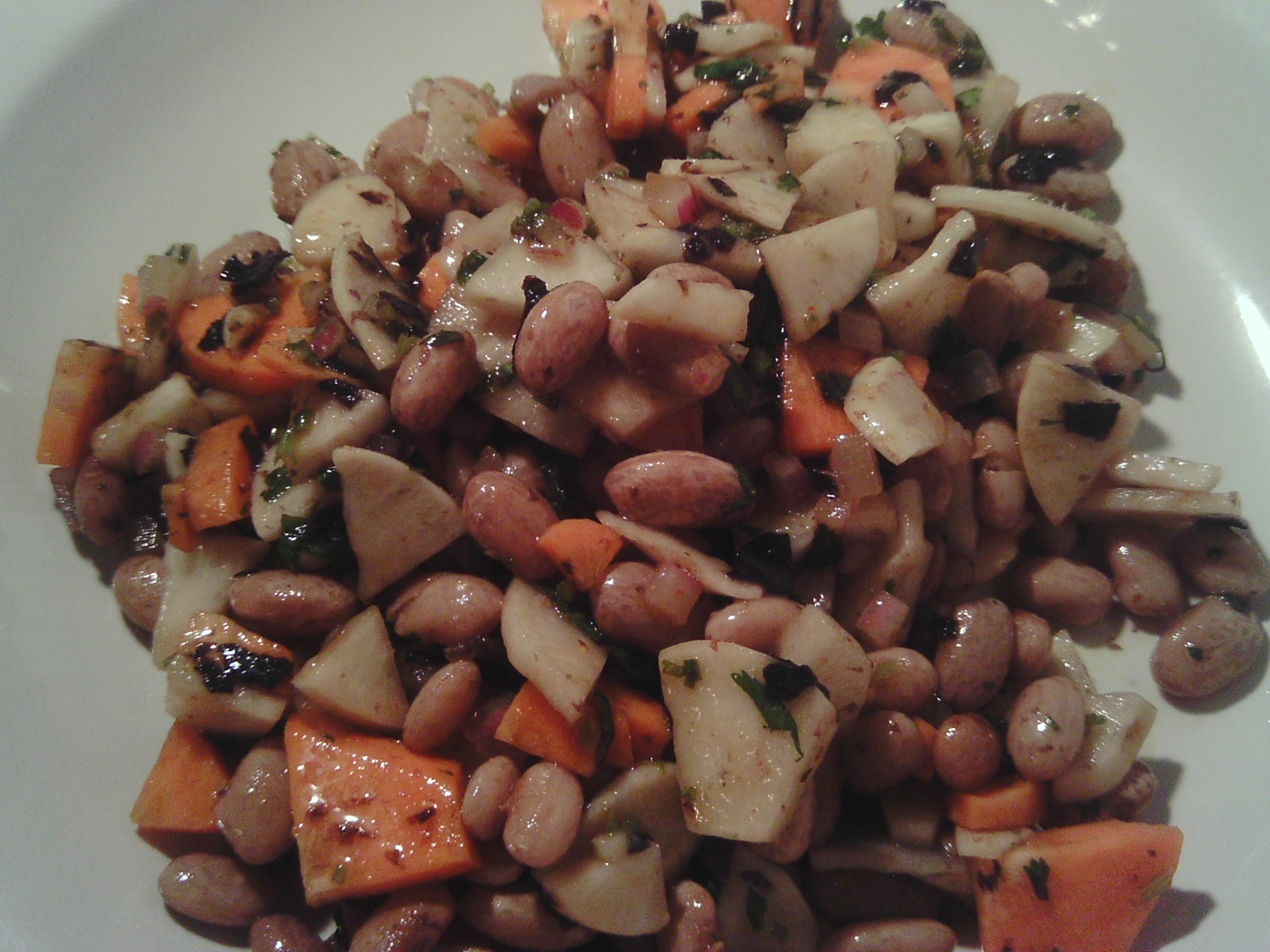
*Pinto bean daikon and turnip salad with sweet potato, potato, spinach and turnip green pancake

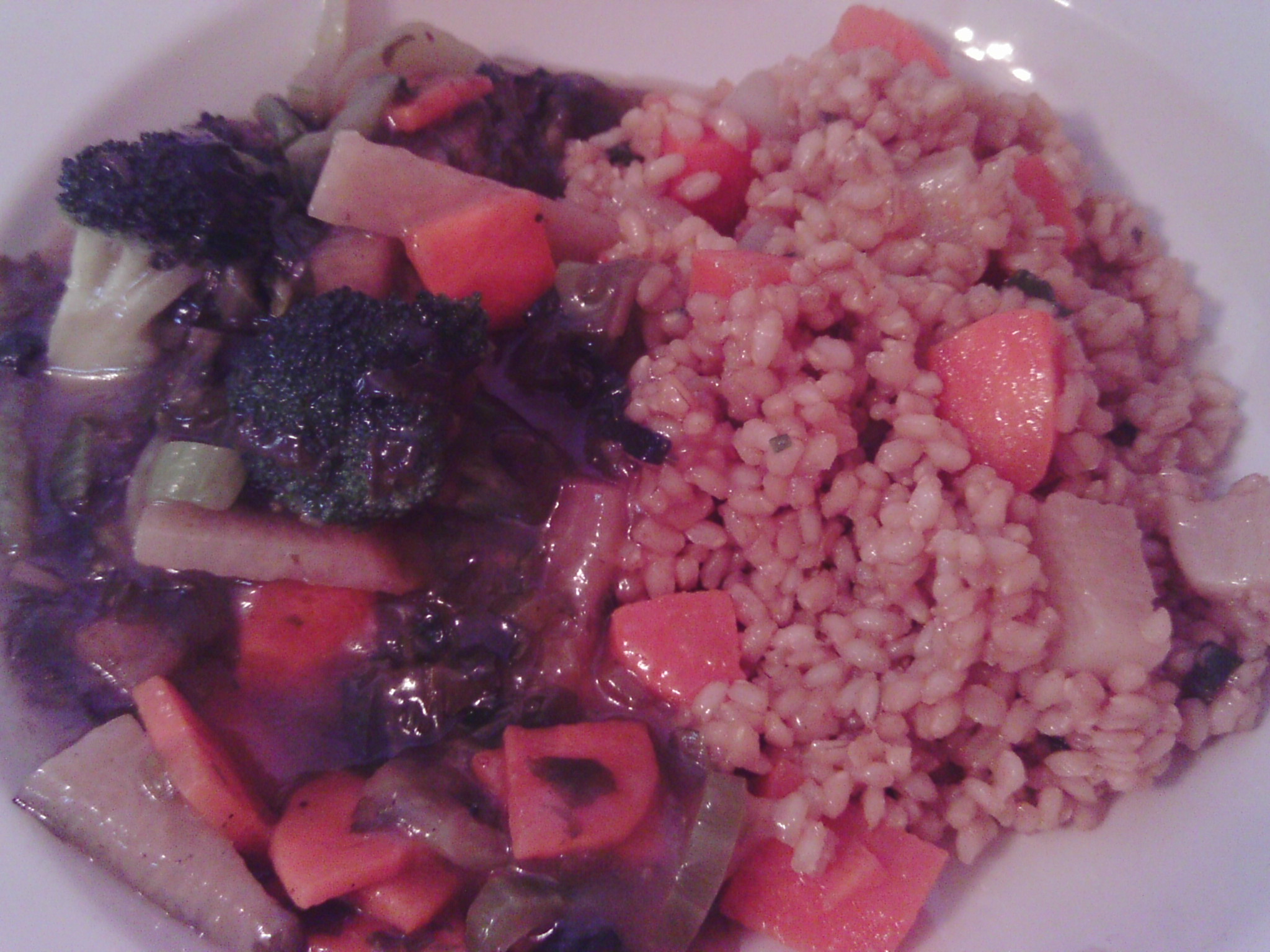
*Mixed vegetables in spring green sauce with brown rice, carrot and turnip pilaf

*Tempeh and snap peas in smoked paprika sauce with quinoa-jicama pilaf

*Chole with spiced beets


Why Local?

When we eat locally produced food we are participating in an act of unification, rather than separation.

Eating locally, by default, means eating seasonally. This unifies us into the organism of the earth itself and brings forth an active participation in the evolution of the planet. It also implicitly presents an understanding that the nourishment that nature provides is correct for the environment we find ourselves in at any particular time.

Eating locally improves nutrition first by providing fresher food with a longer shelf life. It moves us closer to the solar source of all energy on earth. The vitamin c in an orange has depleted by 50% in 24 hours. Who knows what’s in it after three weeks in a warehouse and time on the shelf before purchase. The quality of the foods produced at certain seasons are ideal for a body within a certain environment at a certain time. Here in Iowa we may appreciate to cooling qualities of tropical fruit, but their dampening qualities are not so favorable in our humid summers. However there’s a whole season’s worth of berries available here from late spring through summer and into autumn.

Eating locally also allows us to participate most effectively in our economic system, retaining dollars and taxes for local redistribution and preventing a drain of currency away from a locale to a distant place. All these transactions allow us to be integrated into our economy in a very real way.

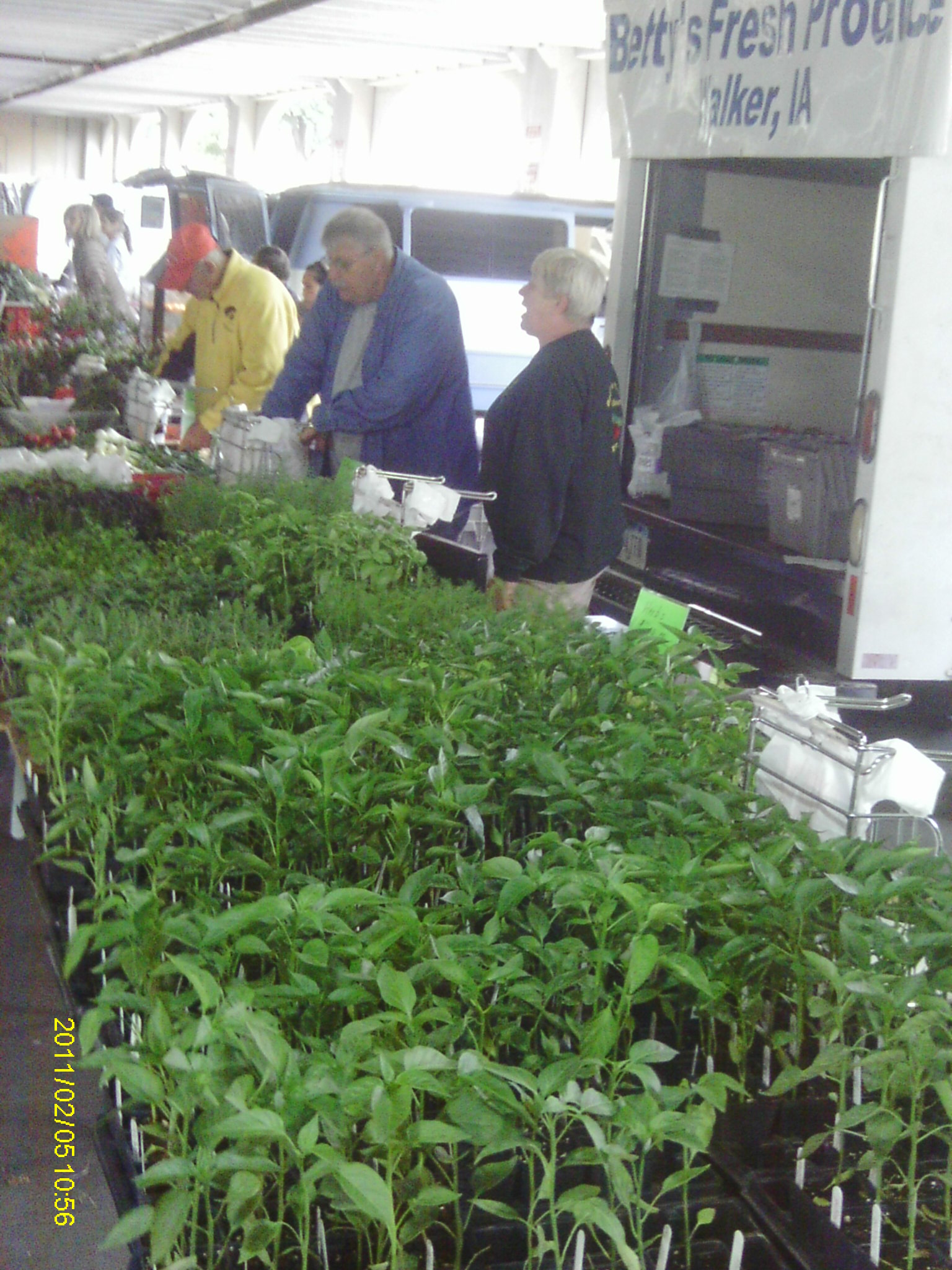
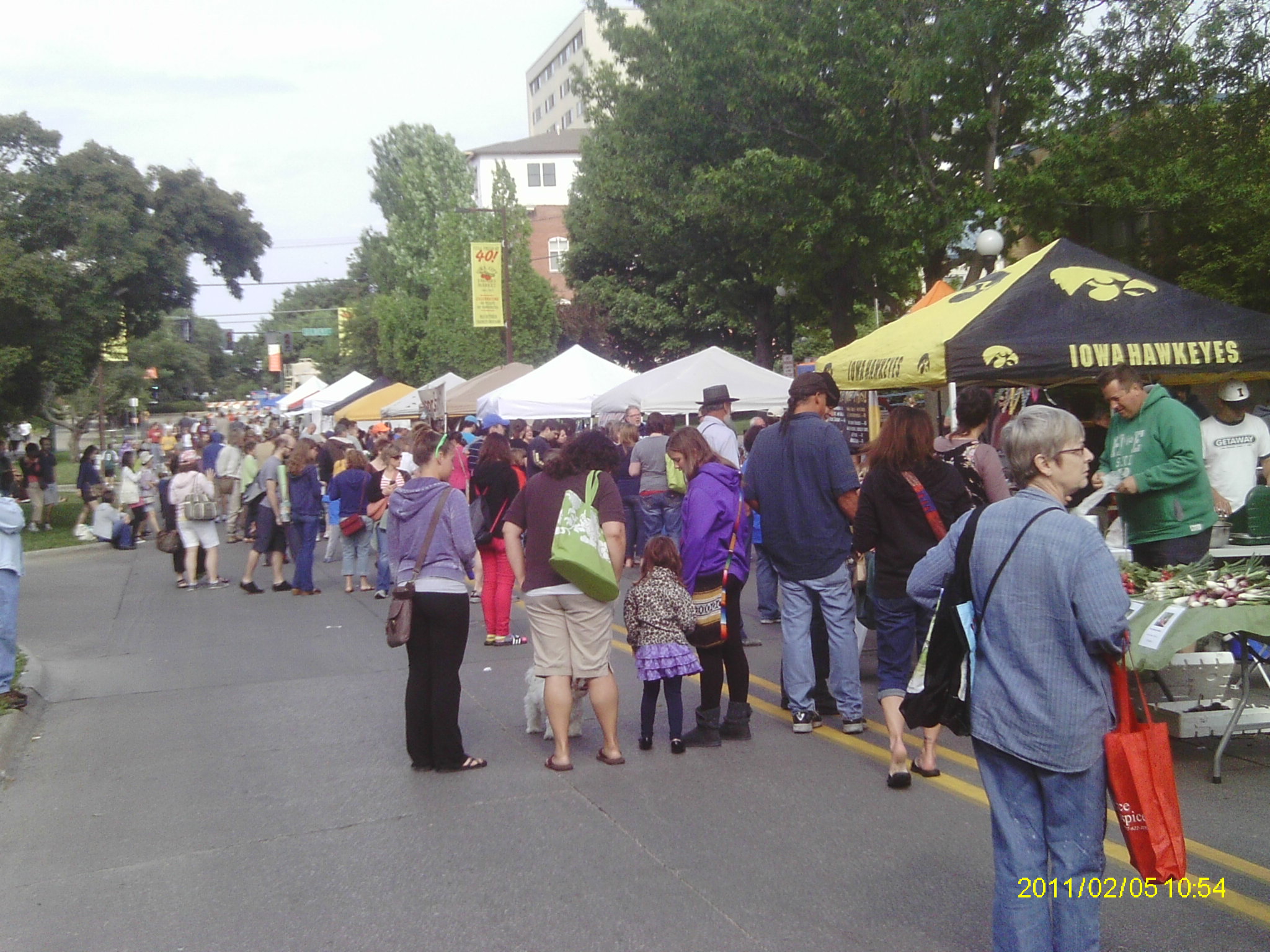
Eating locally almost always involves a person in a social way, whether it’s via the local Farmer’s Market, the connection to the farmer through a CSA or through work in a community or school garden project. It helps unify our individual body into the body of society.

Local eating helps maintain a cultural identity while allowing an evolution of that identity as new species of foods are experimented with, or as new immigrants bring foods and cooking techniques into an area. The predictability of the foods at certain times of year and in certain areas allow local classic dishes to be defined. So now we can sear our tatsoi, bok choi, arugula with our spinach in GMO free asoya soy oil with a little garlic, and it’ll only be the lemon juice that’s come from a far.